What children fundamentally need is a secure attachment, built through consistent, warm, and predictable responses from their primary caregivers. This safe emotional base is the operating system for their life; it is what allows them to boldly explore the world, handle setbacks, and regulate their emotions, proving that deep connection is the root of resilience.
What children fundamentally need is a secure attachment, built through consistent, warm, and predictable responses from their primary caregivers. This safe emotional base is the operating system for their life; it is what allows them to boldly explore the world, handle setbacks, and regulate their emotions, proving that deep connection is the root of resilience.
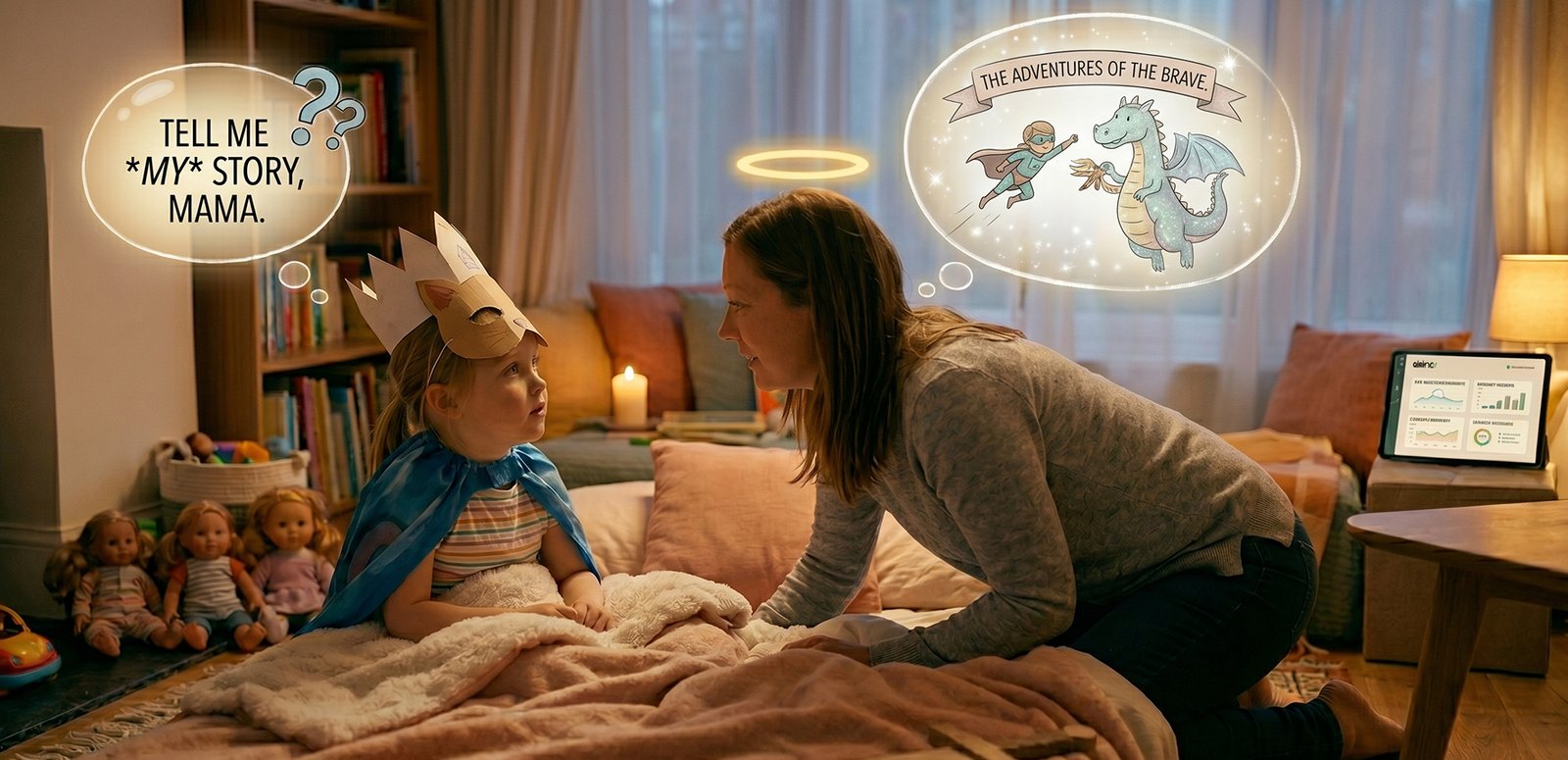
It's bedtime. You've had a long day. Your six, year, old asks you to tell them a story, not read one, tell one. About them. They want to be the hero. They want dragons. They want it to end with them winning. You're exhausted. And yet something in you knows that this matters.
It does. More than you probably realise. Because what your child is asking for in that moment is not entertainment. They are asking for you to see them, to imagine them as powerful and good, to spend your limited energy creating a world in which they are at the centre. That is an attachment need, and it is one of the most fundamental needs a child between three and nine has.
The Foundation That Everything Else Is Built On
The relationship a child forms with their primary caregivers in the early years becomes something like an operating system, a set of deep assumptions about the world that shapes how they approach everything else. Is the world safe? Are people reliable? When I am in distress, will someone come?
Children who grow up with consistent, warm, responsive caregiving develop what researchers describe as secure attachment. They explore more confidently because they know there's a safe base to return to. They handle setbacks better because distress doesn't feel permanent. They form friendships more easily because they expect people to be trustworthy. They are, in measurable ways, more resilient.
Security is not something you give a child once. It is something they feel every time you show up in a way that is consistent, warm, and genuinely present.
What Insecure Attachment Looks Like Day to Day
Children who haven't had consistent responsiveness often show it in two directions. Some become anxious and clingy, shadowing caregivers, catastrophising separations, struggling to self, soothe when distressed. Others learn to suppress their needs entirely, appearing unusually independent, keeping emotional distance, rarely asking for help.
Neither pattern is a character trait. Both are adaptations, the child's best available strategy for getting their needs met in an environment they've learned to read. And both are responsive to change, especially when that change involves a caregiver becoming more consistently present and attuned.
A MOMENT YOU MIGHT RECOGNISE
Drop, off at school has always been a battle, your child clings, cries, bargains for five more minutes. You've been told they settle immediately once you're gone. The battle isn't about school. It's about whether the separation feels safe. That's an attachment signal, not a behaviour problem.
The Small Moments Are the Big Moments
Parents often imagine that attachment is built in grand gestures, holidays, special days, meaningful conversations. Those matter. But the research is consistent: attachment is built primarily in accumulated small moments. Eye contact during dinner. Following through on something promised. Being the person who remembers the small thing they mentioned last week. Showing up, again and again, in ordinary ways.
Children don't need perfect parents. They need predictable ones. The caregivers whose presence their nervous system can rely on. Whose responses to distress they can anticipate. Whose love doesn't feel conditional on behaviour. That reliability is the thing that becomes security.
Stories as Attachment
One of the oldest and most powerful tools of human bonding is telling stories. Not reading them from a page, but constructing them together, in real time, with the child at the centre. This kind of storytelling says something that is surprisingly hard to communicate otherwise: I see you. I've thought about what you love and what you fear and what you want to be. I made this for you specifically.
That message, I made this for you, is one of the most attachment, rich things a parent can offer. And it costs almost nothing except attention.
A THOUGHT FOR PARENTS
The most powerful stories are the ones a parent creates, with their child in mind.
Aiino's Magical Moments is built for exactly this. It gives parents the tools to create personalised stories for their child, choosing the characters, the world, the values woven through the narrative. Not to replace your presence, but to extend it. To give you a way to show up for your child in one of the most emotionally resonant ways available: as the person who made something just for them.
Explore Magical Moments at aiino.ai
Security doesn't come from always being there. It comes from being reliably there in the moments that matter, and from building a relationship where your child knows, in their bones, that you see them and you're not going anywhere. That knowledge is what sets them free to grow.